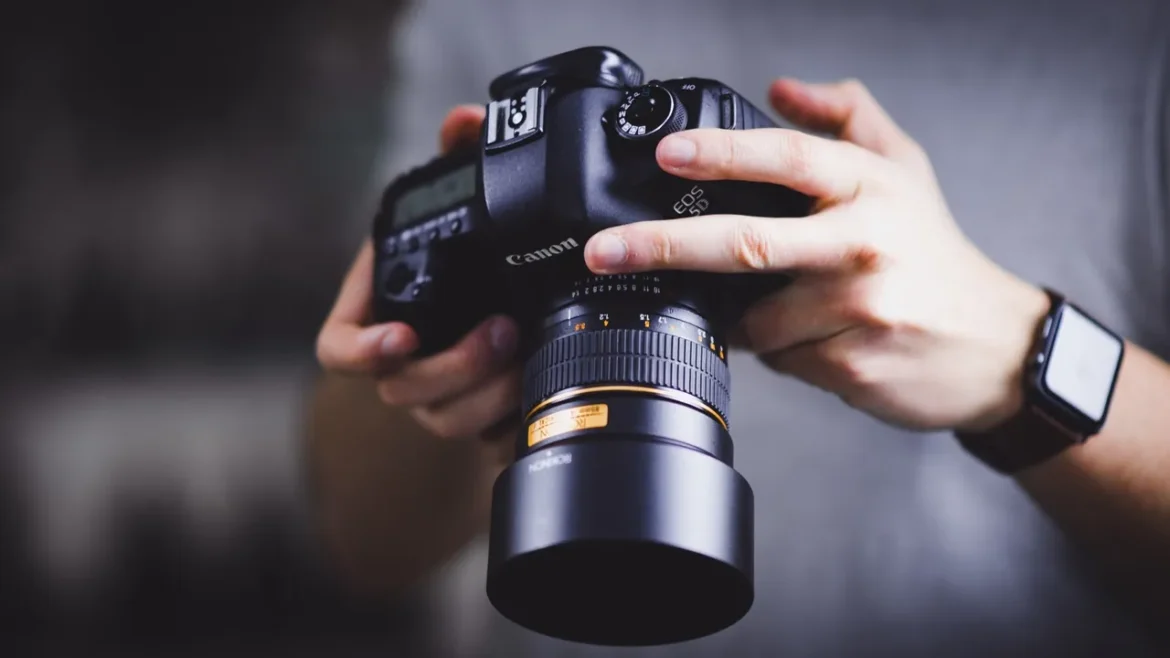
Photography is more than taking pictures; it’s about capturing moments, expressing creativity, and seeing the world in new ways. For those just starting out, a photography course for beginners is the perfect way to develop essential skills, gain confidence, and begin a rewarding journey in visual storytelling.
This guide explores why beginners benefit from structured photography courses, what to expect, useful practice tips, and government resources to support your learning.
Why a Photography Course for Beginners is Valuable
Starting photography can feel overwhelming. Cameras have complex settings, and the sheer number of techniques can be intimidating. However, a structured photography course for beginners helps by:
-
Teaching Technical Skills – You’ll understand your camera’s functions, manual settings, and the exposure triangle (aperture, shutter speed, ISO).
-
Building Composition Knowledge – Moreover, you’ll learn how to frame shots, use perspective, and apply principles like the rule of thirds.
-
Providing Hands-On Practice – In addition, practical assignments reinforce theoretical knowledge.
-
Guiding You with Expert Advice – Experienced instructors offer personalised feedback to improve your work.
-
Boosting Confidence – Therefore, you’ll move beyond automatic modes and experiment with creativity.
With guidance from a course, beginners can progress faster, avoid common mistakes, and develop a strong foundation for future photography projects.
Core Skills Covered in a Photography Course for Beginners
A high-quality beginner course focuses on key photography skills that set the stage for long-term development.
Camera Basics
First, learn the differences between cameras, lenses, and accessories, and understand how to use them effectively.
Exposure Mastery
Next, gain control over exposure settings, learning how aperture, shutter speed, and ISO work together to create the perfect image.
Composition Techniques
Additionally, discover how to create balanced and engaging photographs using rules like leading lines, symmetry, and framing.
Lighting Fundamentals
Furthermore, understand natural and artificial light, learn how to position your subject, and create different moods.
Post-Processing
After that, get introduced to editing software like Adobe Lightroom and Photoshop to enhance your photos without losing authenticity.
Specialised Photography Types
For example, explore portrait, landscape, macro, and street photography to find your preferred style and niche.
Storytelling Through Images
As a result, you’ll learn to convey emotion, narrative, or mood in your photos, making your images memorable and impactful.
Workflow Management
Finally, develop organisational skills to manage your files, plan shoots, and streamline your creative process.
Career Opportunities and Growth
Even a beginner course can open doors to multiple photography-related paths. For instance, you can become a:
-
Freelance Photographer – Offer photography services for events, portraits, or commercial projects.
-
Social Media Photographer – Provide visual content for businesses and personal brands.
-
Photojournalist – Capture news and stories with clarity and emotion.
-
Studio Assistant – Gain experience in professional photography studios.
-
Photography Educator – Teach photography fundamentals in workshops or local courses.
Additionally, completing a photography course for beginners lays the groundwork for advanced courses and specialisations, helping you progress professionally or as a serious hobbyist.
Australian Government Resources for Learning Photography
Australia provides supportive resources for individuals looking to develop photography skills:
- Digital Solutions for Small Business – Offers advice for creatives on using digital platforms, marketing, and building a professional presence online. This can be invaluable for beginners wanting to showcase and sell their photography work. (business.gov.au)
These resources can help beginners access information on accredited courses, funding options, and career pathways in photography.
Tips for Practising Photography as a Beginner
In addition to formal learning, consistent practice is key.
-
Shoot Daily – Regular practice accelerates skill development and helps you become comfortable with your camera.
-
Observe Light – Pay attention to how different lighting affects mood, colour, and texture.
-
Start Simple – Therefore, focus on single subjects and uncluttered compositions initially.
-
Seek Feedback – Moreover, share your images with instructors, peers, or online photography communities.
-
Study Other Photographers – For example, analyse professional work to understand techniques and styles.
These practical tips complement structured learning, helping beginners improve quickly and creatively.
Learning Through Visual Resources
Visual guidance is essential for beginners. A YouTube tutorial can help you understand practical techniques.
Photography for Beginners – Step by Step
This video covers camera settings, composition, and lighting, offering a clear complement to the knowledge gained from a beginner course.
Building a Portfolio
Creating a portfolio early helps track progress, showcase your work, and prepare for future opportunities.
-
Select Your Best Shots – Choose images that demonstrate creativity and technical skills.
-
Include Variety – Moreover, feature portraits, landscapes, macro shots, and other styles.
-
Organise Clearly – Additionally, arrange photos logically for easy navigation.
-
Update Regularly – As your skills grow, continuously improve your portfolio.
A portfolio also provides credibility when seeking freelance work, photography jobs, or client commissions.
The Lifelong Benefits of Photography
Photography is not just a technical skill it cultivates observation, patience, and creativity. Furthermore, beginners who take a photography course for beginners often notice they see the world differently, capturing details they previously overlooked.
This skill can evolve into a rewarding hobby, a professional career, or a source of personal expression that lasts a lifetime.
Final Thoughts
Ultimately, a photography course for beginners is the perfect starting point for anyone eager to explore the world through a lens. Structured guidance, hands-on practice, and expert feedback help beginners move from basic snapshots to creative, compelling images.
Combine this knowledge with government resources like Digital Solutions for Small Business and practical learning tools such as YouTube tutorials to accelerate your progress.
Start capturing life today, and discover how a beginner photography course can transform the way you see and share the world.