

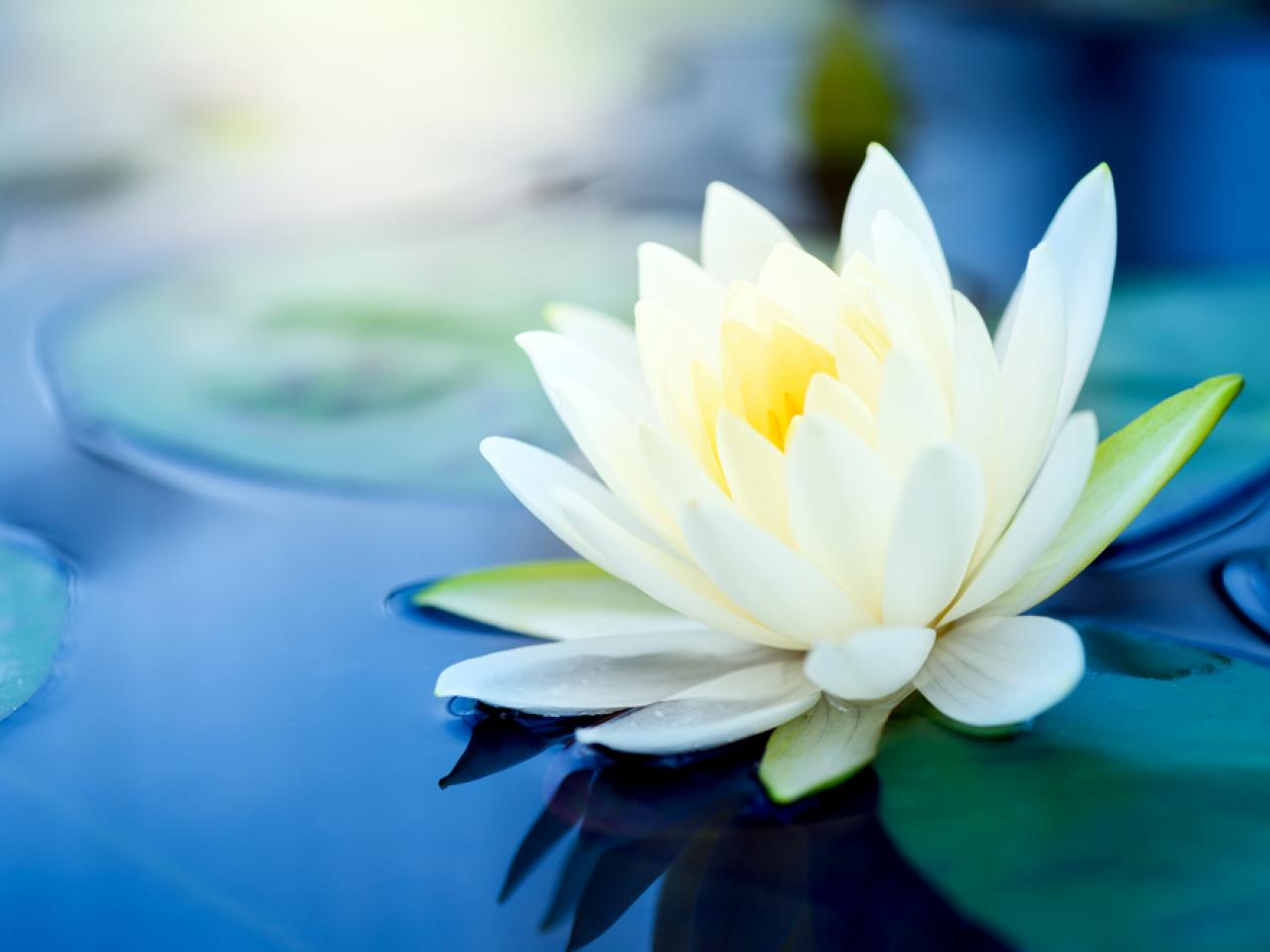
The serene allure of a garden pond can be elevated to new heights with the addition of a mesmerizing aquatic plant—the bowl lotus. Graceful and enchanting, the bowl lotus captivates with its elegant blooms and tranquil presence. Whether you’re a seasoned gardener or a newcomer to the world of aquatic flora, cultivating bowl lotus can be a rewarding and unique experience. In this guide, we’ll delve into the fascinating realm of bowl lotus cultivation, exploring everything from planting to maintenance, and unlocking the secrets to fostering these ethereal beauties in your own aquatic oasis.
Unveiling the Enigma of Bowl Lotus
Before we plunge into the intricacies of bowl lotus cultivation, let’s unravel the mystery behind this captivating aquatic plant. Also known as Nymphaea pubescens, the bowl lotus is a species of water lily renowned for its distinctive bowl-shaped leaves and delicate blossoms. Originating from regions across Asia, including China and India, the bowl lotus holds significant cultural symbolism, often associated with purity, enlightenment, and rebirth.
One of the most striking features of the bowl lotus is its ability to thrive in diverse aquatic environments, from tranquil ponds to ornamental water features. Its robust rhizomes anchor firmly in the muddy substrate, while its broad, glossy leaves create a verdant canopy that provides shade and shelter for aquatic life. However, it’s the exquisite flowers that steal the spotlight—emerging gracefully from the water’s surface, they range in color from pristine white to vibrant hues of pink and red, each bloom exuding an ethereal beauty that enchants all who behold it.
Planting the Seeds of Tranquility: Bowl Lotus Cultivation
Now that we’ve acquainted ourselves with the allure of the bowl lotus, let’s embark on the journey of cultivation. While it may seem daunting at first, with the right approach, nurturing bowl lotus can be a gratifying endeavor.
Selecting the Ideal Location: The key to successful bowl lotus cultivation lies in choosing the perfect location for your aquatic garden. Opt for a spot that receives ample sunlight, as bowl lotus thrives in bright, direct light. Additionally, ensure that the water depth is suitable—typically around 18 to 24 inches—to accommodate the plant’s growth and development.
Preparing the Pond: Before planting your bowl lotus, it’s essential to prepare the pond environment to promote optimal growth. Begin by clearing any debris or sediment from the pond bed, ensuring a clean and nutrient-rich substrate for the lotus to thrive. Consider incorporating a layer of aquatic soil or clay to provide essential nutrients and stability for the roots.
Planting with Precision: When it comes to planting bowl lotus, attention to detail is paramount. Start by carefully selecting healthy rhizomes from a reputable nursery or garden center, ensuring they are free from signs of damage or disease. Plant the rhizomes in individual pots filled with aquatic soil, positioning them at a slight angle to encourage upward growth. Submerge the pots in the prepared pond, ensuring the crown of the rhizome is just above the soil surface.
Nurturing Nature’s Masterpiece: Bowl Lotus Maintenance
With the bowl lotus planted and poised to flourish, it’s time to turn our attention to maintenance—an essential aspect of ensuring the longevity and vitality of your aquatic garden.
Pruning and Propagation: Regular pruning is crucial for maintaining the health and aesthetics of your bowl lotus. Remove any dead or decaying leaves to prevent them from contaminating the water and stifling growth. Additionally, consider propagating your bowl lotus to expand your aquatic garden or share its beauty with others. Propagation can be achieved through division, where established rhizomes are carefully separated and replanted in new pots or pond areas.
Water Quality Management: Monitoring water quality is essential for the well-being of your bowl lotus and the ecosystem of your pond. Regularly test water parameters such as pH, ammonia, and nitrate levels, making adjustments as needed to ensure optimal conditions for plant growth. Consider incorporating aeration and filtration systems to promote oxygenation and clarity, creating a healthier environment for aquatic life.
Embracing the Beauty of Bowl Lotus: A Testament to Nature’s Splendor
As we conclude our exploration of bowl lotus cultivation, it’s evident that these enchanting aquatic plants are more than just botanical specimens—they’re living works of art that embody the timeless beauty and resilience of nature. Whether adorning a tranquil pond or gracing the centerpiece of a bustling water garden, bowl lotus captivates with its graceful form and ethereal blooms, inviting us to pause, reflect, and immerse ourselves in the wonders of the natural world.
So, as you embark on your own journey of bowl lotus cultivation, remember to nurture not only the plants themselves but also the sense of tranquility and harmony they inspire. With patience, dedication, and a deep reverence for the beauty of nature, you’ll find that the rewards of cultivating bowl lotus extend far beyond the confines of your aquatic garden—they enrich the soul and remind us of the inherent magic that surrounds us, waiting to be discovered and cherished.
