

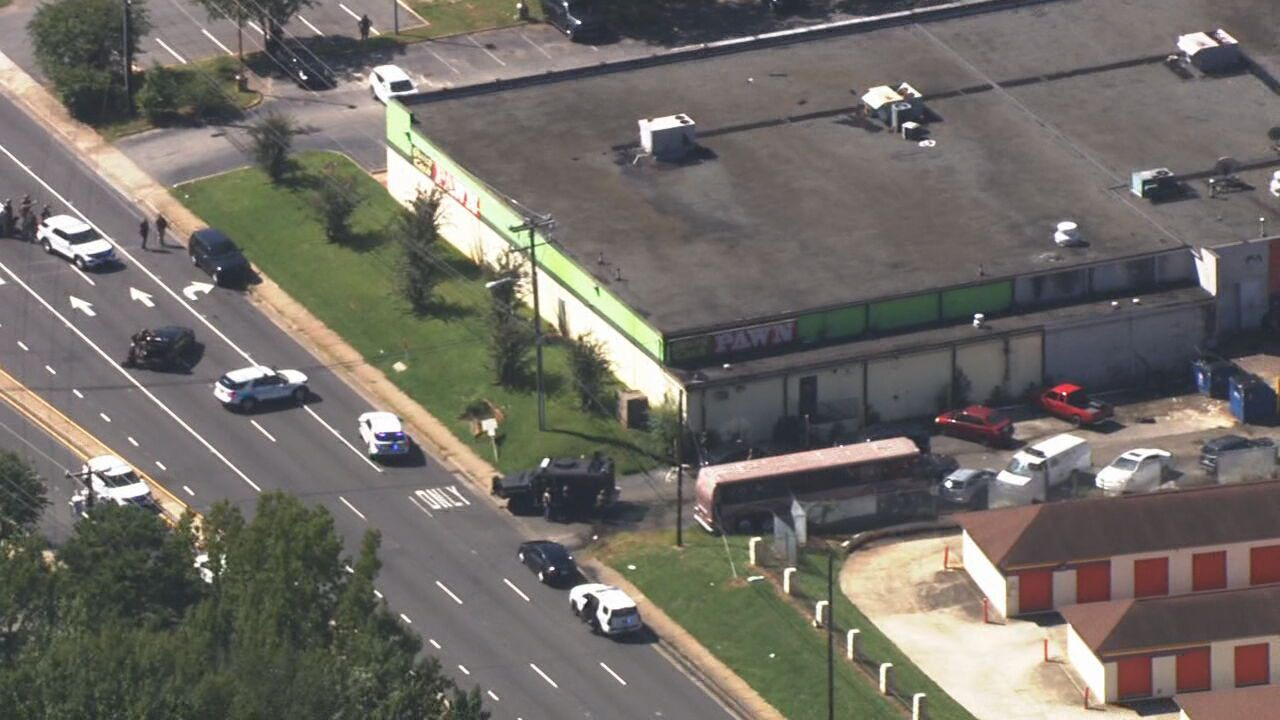
In the heart of East Charlotte, a community accustomed to the ebb and flow of daily life found itself thrust into an unprecedented situation — a SWAT standoff that would test the mettle of local law enforcement and redefine the dynamics of crisis management in urban settings. The term “SWAT standoff East Charlotte” echoed through the tight-knit neighborhood, sparking conversations about safety, community resilience, and the delicate balance law enforcement must strike in such situations.
East Charlotte, known for its diversity and vibrant community spirit, was suddenly grappling with an unforeseen challenge that demanded unity and strength from its residents. The incident, which unfolded on a seemingly ordinary day, underscored the importance of preparedness and effective communication in urban crisis scenarios.
The origins of the SWAT standoff in East Charlotte remain shrouded in uncertainty, but what became clear was the coordinated response from law enforcement agencies. The deployment of the Special Weapons and Tactics (SWAT) team highlighted the need for a specialized force capable of handling high-risk situations with precision and expertise.
As the standoff unfolded, residents watched from behind police barricades, their faces etched with a mix of concern and curiosity. The incident prompted a collective reflection on the role of law enforcement in maintaining peace and security within communities. It also raised questions about the factors leading to such high-stakes situations and how they can be prevented in the future.
One aspect that stood out during the SWAT standoff in East Charlotte was the community’s ability to come together in times of crisis. Neighbors checked on one another, offering support and solidarity. Local businesses extended a helping hand by providing shelter and refreshments to those affected by the lockdown. The incident, albeit challenging, showcased the resilience and strength embedded in the fabric of East Charlotte.
In the aftermath of the standoff, community leaders and law enforcement officials convened to analyze the incident and explore avenues for improvement. The importance of community engagement and proactive measures to address underlying issues took center stage in these discussions. The goal was not only to react effectively to crises but also to work towards preventing them by addressing root causes.
The “SWAT standoff East Charlotte” incident spurred conversations about mental health resources, community policing, and the role of social services in preventing situations from escalating to the point of requiring SWAT intervention. It became evident that a holistic approach, involving collaboration between law enforcement, mental health professionals, and community leaders, was necessary to foster a safer and more secure environment.
As the community grappled with the aftermath, initiatives were launched to strengthen the bonds between law enforcement and residents. Community policing programs gained traction, emphasizing the importance of building trust and fostering open communication channels. The hope was that such efforts would contribute to early intervention and prevention, reducing the likelihood of future standoffs.
The incident in East Charlotte also prompted a broader conversation about the challenges faced by law enforcement in urban settings. The intricacies of navigating densely populated areas, diverse demographics, and varied socio-economic conditions added layers of complexity to crisis management. As a result, training programs and protocols were re-evaluated to ensure that law enforcement personnel were equipped to handle the unique challenges presented by urban environments.
In the months that followed the SWAT standoff, East Charlotte witnessed a transformation in its approach to community safety. The incident served as a catalyst for positive change, prompting the implementation of innovative strategies to address the underlying issues contributing to such crises. Mental health outreach programs, conflict resolution initiatives, and community empowerment projects emerged as key components of this comprehensive approach.
The “SWAT standoff East Charlotte” incident, while undoubtedly a challenging chapter in the community’s history, became a turning point for East Charlotte. It spurred a collective commitment to fostering a safer and more resilient community through collaboration, communication, and proactive measures. As East Charlotte moved forward, the lessons learned from this experience became integral to shaping the future of urban crisis management, not just in the local community but as a model for other urban areas facing similar challenges.
